
Discover the best smartphones in 2026 with expert comparisons on performance, camera quality, battery life, and value. Find the perfect device for your needs in the US and globally.
Introduction to the Smartphone Market in 2026
The smartphone market in 2026 has evolved dramatically, reflecting ongoing advancements in technology that continue to shape consumer preferences and usage patterns. Over the past few years, the integration of 5G connectivity has revolutionized mobile communication, offering faster download speeds, lower latency, and seamless streaming capabilities. As a result, users are experiencing a more robust online environment, with real-time applications and services becoming increasingly prevalent.
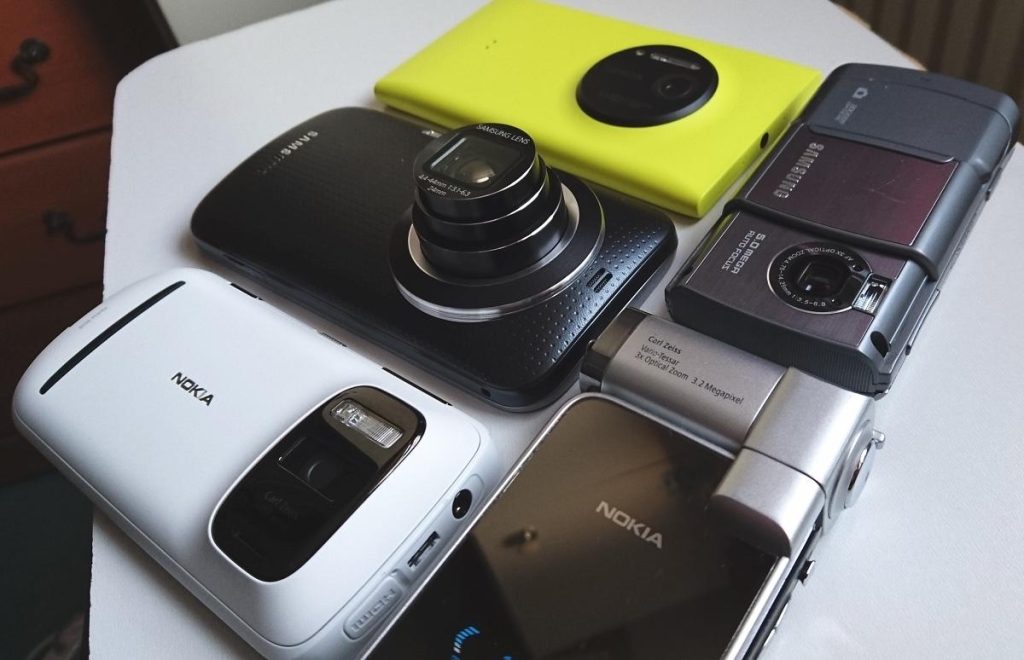
In addition to enhanced connectivity, artificial intelligence (AI) has significantly impacted smartphone functionality. Manufacturers are embedding sophisticated AI capabilities within devices, allowing for features such as advanced photography, predictive text, and voice-activated assistants. These innovations have transformed user interactions, providing personalized experiences that cater to individual preferences and needs. Furthermore, AI algorithms help optimize device performance and battery management, ensuring that users experience extended battery life even under heavy usage.
According to Google AI research initiatives, machine learning continues to power the next generation of consumer devices, making smartphones smarter, faster, and more responsive.
For a deeper understanding of artificial intelligence in mobile technology, see:
https://en.wikipedia.org/wiki/Artificial_intelligence
Enhanced user interface (UI) designs have also played a pivotal role in the 2026 smartphone landscape. With an emphasis on simplicity and accessibility, leading brands are focusing on creating intuitive navigation systems that align with users’ lifestyles. The introduction of gesture-based controls, adaptive screens, and customizable themes has made smartphones more accessible to a diverse array of users.
When evaluating smartphones in this competitive market, several criteria are taken into account. Key factors include performance benchmarks, camera quality, battery efficiency, and the integration of features such as water resistance and build quality. By understanding these trends and criteria, consumers can make informed decisions when considering their next mobile device, ensuring that they select a smartphone that aligns with their needs and enhances their overall digital experiences.
Top Smartphones of 2026: Overview
As we venture into 2026, the smartphone market has seen remarkable advancements, making it an exciting year for technology enthusiasts. Leading brands have unveiled their flagship models, which showcase cutting-edge technology and cater to diverse user needs. This overview highlights some of the top smartphones that stand out this year.

First among them is the Apple iPhone 15 Pro Max. Renowned for its exceptional camera system, this model introduces a powerful 48 MP primary sensor paired with advanced computational photography capabilities. Users can expect stunning low-light performance and enhanced video recording features. Additionally, its efficient A17 Bionic chip ensures seamless multitasking and an impressive battery life that lasts throughout the day.
Next, we have the Samsung Galaxy S23 Ultra. With its expansive 6.8-inch Dynamic AMOLED display, this phone delivers an immersive viewing experience. The standout feature is its versatile camera setup, highlighted by a 200 MP main sensor offering unparalleled image clarity. Furthermore, the S23 Ultra’s S Pen integration provides users with a convenient note-taking option, enhancing productivity.
Another notable entry is the Google Pixel 8 Pro. Celebrated for its software optimization, the Pixel 8 Pro utilizes artificial intelligence to improve photography, making it a favorite among amateur and professional photographers alike. Its Real Tone technology ensures diverse skin tones are accurately represented in images, showcasing Google’s commitment to inclusivity.
Finally, the OnePlus 11 Pro deserves mention for its competitive performance and affordability. It features a 120 Hz Fluid AMOLED display that provides fluid motion and vivid colors, making for an enhanced viewing experience. Coupled with its rapid charging capabilities, the OnePlus 11 Pro is designed for users on the go.
This year, the smartphone landscape is marked by innovative engineering and diverse functionality, ensuring there is a model that meets the needs of every consumer, whether they prioritize photography, performance, or productivity.
Camera Comparisons: Revolutionizing Mobile Photography
The evolution of smartphone cameras has transformed mobile photography, making it a viable alternative to traditional cameras. In 2026, the leading smartphones showcase significant advancements in camera technology, highlighting specifications that cater to the demands of both casual users and professional photographers.
When evaluating these devices, key features such as megapixels, low-light performance, and zoom capabilities are crucial. Smartphones are now equipped with multiple lenses, allowing for enhanced versatility. For instance, the inclusion of ultra-wide and telephoto lenses enables users to capture landscapes and close-ups with exceptional detail and clarity. The megapixel count, while important, is not the sole indicator of image quality. Factors like sensor size and lens sophistication play a vital role in determining the overall performance.
Low-light performance has also improved dramatically. Advanced image processing algorithms combined with larger sensors facilitate the capture of vivid photographs in dimly lit environments. Devices from various manufacturers offer enhanced night modes that minimize noise and preserve detail, crucial for nighttime photography.
Zoom capabilities have seen a notable increase as well, with features such as optical zoom and digital enhancements allowing users to get closer to their subjects without sacrificing image quality. This is particularly beneficial for wildlife and sports photography, where important moments often occur at a distance. Many flagship models are incorporating telephoto technologies that provide impressive optical zoom ranges much sought after by enthusiasts.
Apart from these, additional photography functions such as macro modes, portrait effects, and professional-grade video recording have solidified smartphones’ positions as powerful photography tools. As manufacturers continue to innovate, the gap between smartphones and dedicated cameras narrows, providing users with unmatched convenience and creative control.
Performance and Battery Life Analysis
The performance of a smartphone is primarily dictated by its underlying hardware, including the processor and memory capacity. Over the years, manufacturers have continually evolved their processors, resulting in increased speed and efficiency. In 2026, flagship smartphones are expected to feature octa-core processors, frequently clocking above 3 GHz. This leap in processing speed substantially enhances multitasking capabilities and gaming performance, allowing users to run multiple applications seamlessly without lag.
Beyond processor speed, the amount of RAM integrated into smartphones plays a critical role in performance. Many modern devices are equipped with a minimum of 8 GB of RAM, while models designed for high-end gaming and demanding applications boast 12 GB or more. This ensures that users can execute resource-intensive tasks, such as high-definition gaming or video editing, without noticeable slowdowns, making efficient use of available memory resources.
Battery life is another cornerstone aspect that defines user experience. In a digital age where smartphones are our primary communication tools, advanced battery technology is paramount. Manufacturers now prioritize battery efficiency, with many devices including adaptive battery features that learn from usage patterns to prolong life. On average, a typical flagship smartphone in 2026 should provide a full day of use on a single charge, encompassing numerous video calls, social media interactions, and entertainment consumption.
Benchmarking tests also reflect these advancements, with leading smartphones performing exceptionally well in stress tests designed to assess both processing power and energy consumption. User experiences gathered from forums and reviews consistently highlight the importance of battery optimization, often citing models that endure extended periods without depletion. Overall, the combination of robust performance metrics and effective battery life is essential for ensuring user satisfaction in a competitive smartphone market.
Design and Build Quality: Aesthetics Meets Functionality
The design and build quality of smartphones have become paramount as users increasingly seek devices that marry aesthetics with functionality. Leading the charge in 2026, top smartphones showcase a range of materials, with glass and metal dominating the high-end landscape. These materials not only provide a premium feel but also enhance structural integrity, ensuring durability over time. While plastic remains prevalent in some budget models, innovations in the composition have made them more resilient and visually appealing.
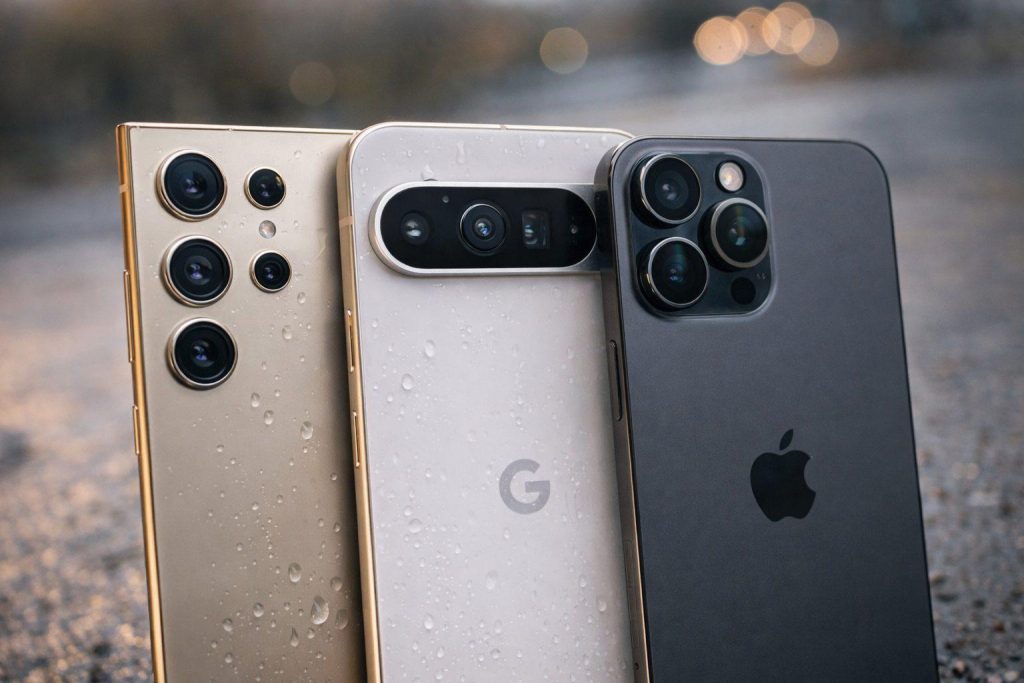
Brands are focusing on providing ratings such as IP68 and MIL-STD-810G to indicate their devices’ resistance to dust and water, parental standards for durability. The advancements in manufacturing processes allow for sleeker designs that minimize bezels and maximize screen real estate, making the smartphones not just powerful devices but also attractive additions to daily life.
Aesthetics play a crucial role in the decision-making process for consumers. The vibrant color options and textured finishes available today create visual appeal that resonates with buyers. Specific design choices, such as matte versus glossy finishes, can significantly impact user experience — specifically in terms of grip and handling comfort. Ergonomics is essential; many manufacturers focus on weight distribution and button placement to ensure that smartphones are comfortable to hold during extended usage.
Additionally, customizable aesthetics through various case options allow users to personalize their devices, enhancing the connection between user and smartphone. As the market evolves, it is clear that design and build quality remain vital aspects that contribute to the overall user experience and brand identity. In summary, modern smartphones are increasingly reflecting user preferences for both style and robustness, ensuring that they serve not only as communication tools but also as personal style statements.
Software and User Interface: The Heart of User Experience
The operating system (OS) of a smartphone plays a pivotal role in shaping the user experience, influencing the functionality, usability, and overall satisfaction of the device. In 2026, the two dominant players in the smartphone OS market remain iOS and Android, each offering distinct features and experiences tailored to different user preferences. iOS, developed by Apple, is renowned for its sleek design, tightly integrated ecosystem, and consistent updates. Users benefit from a seamless interface, which enhances usability and accessibility, particularly for those who rely on Apple’s range of services.
On the other hand, Android, being an open-source platform, boasts a diverse array of custom skins and user interfaces crafted by various manufacturers. Companies like Samsung, OnePlus, and Xiaomi have created their own versions of Android, each with unique features, aesthetic choices, and enhancements. This diversity allows users to choose a smartphone that aligns closely with their individual preferences, whether they seek extensive customization options or minimalistic interfaces.
The update cycle is another critical aspect that influences user satisfaction. iOS devices typically receive regular updates directly from Apple, ensuring compatibility with the latest apps and security measures. Conversely, Android updates can vary significantly between manufacturers, leading to fragmented experiences among users. This inconsistency can impact the longevity of the device and the timeliness with which users access new features or important security patches.
For developers and enterprise users, Microsoft tools continue to support cross-platform development:
https://learn.microsoft.com
Furthermore, the app ecosystem is essential to consider. Both iOS and Android offer extensive app stores, but the availability and quality of applications can differ. Developers often prioritize iOS due to its lucrative market, resulting in some apps being exclusive to Apple devices initially. This differentiation can influence a user’s choice when selecting a smartphone, as access to desired applications is a key determinant of usability and satisfaction.
Price Comparison and Value for Money
In 2026, the smartphone market is characterized by a wide array of choices, with many models catering to different budgets and preferences. This price comparison will explore the various price points of smartphones to help consumers make informed decisions based on their financial situation and desired features.
Leading flagship smartphones from brands such as Apple, Samsung, and Google typically fall in the premium price range, often starting around $999 and extending beyond $1,500. These devices usually justify their higher costs through advanced technology, exceptional build quality, and superior camera systems. For instance, models like the iPhone 16 Pro and Galaxy S23 Ultra offer cutting-edge features, making them a worthwhile investment for those who prioritize performance and premium experiences.
In contrast, mid-range options, including the OnePlus Nord and Google’s Pixel 7a, typically range from $399 to $699. These devices strike a balance between quality and affordability, providing essential features and satisfactory performance without the hefty price tag associated with flagship models. As such, they are particularly suited for budget-conscious consumers who seek value for money without sacrificing essential smartphone capabilities.
Moreover, budget smartphones under $400 have gained traction, catering to those who require functionality for tasks such as calling, messaging, and light internet browsing. Models like the Moto G Power and Samsung Galaxy A14 offer decent performance, making them a practical choice for everyday use. However, potential buyers must be aware that these devices may lack high-end features, such as premium displays and advanced camera systems found in higher-priced counterparts.
Ultimately, assessing the price and features of each smartphone is crucial in determining the best value for money. By examining different models within varying price ranges—including premium, mid-range, and budget options—consumers can make informed choices that align with their financial constraints and expected performance.
Consumer Feedback and Expert Reviews

As consumers navigate the myriad of smartphone choices in 2026, feedback from everyday users and assessments from industry experts play a crucial role in shaping opinions about the latest devices. This section synthesizes insights drawn from a range of credible sources, offering a balanced overview of various smartphones’ performance, reliability, and user experience.
In reviewing the top contenders, many users have reported high satisfaction with devices boasting advanced camera systems and extended battery life. For instance, models like the Galaxy ZX and the Pixel Pro 12 have received praise for their stunning photography capabilities, especially in low-light situations. Users have highlighted how these features contribute to enhanced daily usability, marking a significant improvement over their predecessors.
However, not all feedback is overwhelmingly positive. Some reviewers have expressed concerns regarding the durability of certain models. The Edge V2, while praised for its sleek design and performance, has received criticism for its fragility, with several users reporting screen cracks after minor drops. This highlights the ongoing challenge in smartphone design—balancing aesthetics with robust build quality.
Expert reviews further complement user feedback, often emphasizing benchmarks and performance metrics. Analysts point out that the iPhone Ultra 15 excels in processing speed and software optimization, making it a favorite among tech enthusiasts. Conversely, experts have noted that the lack of expandable storage in certain flagship models limits users’ options, potentially deterring those who require ample space for applications and media.
The deliberation between user sentiments and expert analysis provides a comprehensive perspective for potential buyers. Understanding these varied viewpoints is essential in making an informed decision when selecting the best smartphone that suits one’s needs in 2026.
FAQs and Final Verdict
As consumers consider the myriad of options available in the smartphone market in 2026, several frequently asked questions arise. Determining the right smartphone often hinges on understanding individual needs and preferences. Users are encouraged to assess their primary requirements—whether it’s high-quality photography, gaming performance, or an emphasis on productivity features.

For different user types, tailored recommendations can significantly aid in the selection process. For photography enthusiasts, smartphones boasting advanced camera systems, such as those featuring high megapixel counts and enhanced low-light performance, are likely to be more suitable. Conversely, gamers may prioritize devices equipped with powerful processors and dedicated gaming modes to ensure smooth gameplay experiences. Business users might find smartphones with robust security features and productivity tools to be more advantageous.
Another critical consideration when selecting a smartphone in 2026 is future-proofing. As technology continues to evolve, investing in a smartphone with the latest connectivity options, such as 5G capabilities, and an updated operating system can enhance longevity and ensure compatibility with forthcoming applications and services. When exploring various models, consider those that support regular software updates, as these are essential for security and accessing new features. In summary, the decision-making process should reflect a balance between personal needs and available features. By identifying what is most important—performance, camera quality, battery life, or software support—users can arrive at an informed choice. Ultimately, thorough research combined with awareness of personal usage patterns will lead to a satisfactory smartphone investment in 2026, guiding consumers to models that best suit their lifestyle and preferences