





The landscape of personal computing has changed dramatically. In 2026, a laptop is no longer viewed as just a productivity machine for browsing the internet, editing documents, or attending video meetings. It has evolved into something far more intelligent — a personal AI-powered workstation capable of understanding workflows, automating tasks, enhancing creativity, and adapting to the user in real time.
The rise of AI laptops marks one of the biggest shifts in computing since the transition from desktop PCs to mobile computing. Modern laptops are now designed around artificial intelligence at the hardware level, integrating dedicated Neural Processing Units (NPUs), AI accelerators, local language model processing, and intelligent system optimization directly into the device.
This transformation is reshaping how people work, create, communicate, and interact with technology.
In 2026, the conversation is no longer about raw clock speed alone. The new battleground revolves around:
- AI processing performance,
- local AI capabilities,
- privacy-focused computing,
- intelligent battery management,
- and real-time machine learning acceleration.
Whether you are a creator, developer, entrepreneur, remote worker, student, or business professional, AI-native laptops are rapidly becoming essential tools in the modern digital economy.
The future of computing is no longer simply connected to the cloud.
It is increasingly running directly on your device.
The Rise of Local AI Computing
For years, artificial intelligence depended heavily on cloud-based systems. AI tasks required sending data to remote servers where massive models processed requests before returning results to the user.
While cloud AI remains powerful, it introduced several limitations:
- latency,
- internet dependency,
- subscription costs,
- slower response times,
- and growing privacy concerns.
In 2026, the industry is shifting aggressively toward on-device AI processing.
Modern AI laptops can now:
- summarize meetings offline,
- translate languages in real time,
- generate images locally,
- transcribe conversations instantly,
- enhance video calls with AI,
- automate workflows,
- and run lightweight large language models without constant cloud access.
This shift has fundamentally changed what users expect from their laptops.
Instead of acting as passive hardware terminals connected to online services, AI laptops now function as intelligent computing ecosystems.
What Makes an AI Laptop Different?
An AI laptop is not simply a standard laptop with AI software installed.
True AI-native devices are built around dedicated hardware optimized specifically for machine learning and intelligent processing.
The key difference lies in the integration of:
- NPUs (Neural Processing Units),
- AI accelerators,
- hybrid CPU/GPU/AI architectures,
- and operating systems designed around AI-assisted workflows.
These systems allow laptops to process AI workloads more efficiently while consuming less power than traditional CPUs or GPUs alone.

The Importance of NPUs in 2026
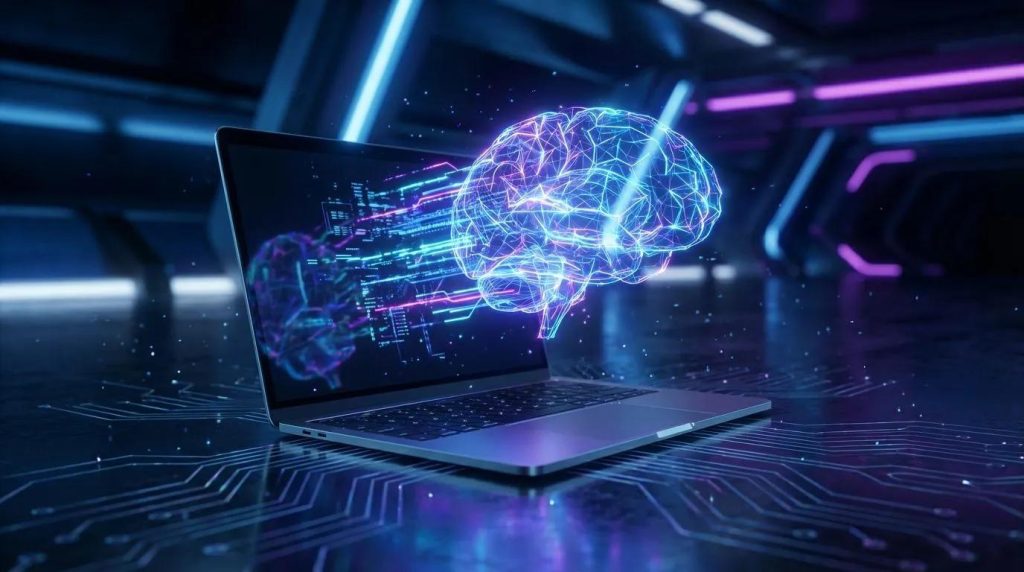
The Neural Processing Unit has become the defining feature of next-generation laptops.
An NPU is a specialized processor built specifically for AI and machine learning tasks.
Unlike traditional processors, NPUs are optimized for:
- neural network inference,
- AI acceleration,
- pattern recognition,
- language processing,
- and real-time automation.
The competition between major chip manufacturers has shifted dramatically toward AI performance metrics such as TOPS (Tera Operations Per Second).
The major players dominating the AI laptop market include:
Instead of marketing only GHz speeds or core counts, manufacturers now emphasize:
- AI acceleration capability,
- local model execution,
- intelligent power optimization,
- and AI-enhanced workflow performance.
This represents a fundamental evolution in laptop architecture.
Real-Time AI Features Defining 2026 Laptops
AI laptops are introducing capabilities that previously required expensive cloud infrastructure or specialized workstations.
Real-Time Language Translation
Modern AI laptops can now provide:
- instant multilingual subtitles,
- live translation during meetings,
- and offline speech interpretation.
This is becoming increasingly valuable for:
- global businesses,
- remote teams,
- digital nomads,
- and international creators.
AI Video Enhancement
Video conferencing has become deeply integrated into modern work culture.
AI-powered laptops now enhance video calls using:
- automatic framing,
- eye-contact correction,
- noise suppression,
- background enhancement,
- low-light optimization,
- and voice isolation.
These features run locally on the device without excessive cloud dependency.
AI-Powered Content Creation
Creators are among the biggest beneficiaries of AI-native laptops.
Modern systems can locally assist with:
- image generation,
- video editing,
- audio cleanup,
- thumbnail creation,
- script drafting,
- and design workflows.
Creative professionals increasingly rely on AI-assisted software integrated directly into the operating system.
Intelligent Workflow Automation
AI laptops are also becoming personal productivity assistants.
They can:
- summarize documents,
- organize files automatically,
- prioritize notifications,
- schedule tasks intelligently,
- and optimize workflow patterns based on user behavior.
The device itself is becoming context-aware.
On-Device Privacy Is Becoming a Major Selling Point
Privacy concerns have become one of the biggest drivers behind local AI adoption.
Businesses, professionals, and consumers increasingly want AI functionality without constantly uploading sensitive data to external servers.
On-device AI processing allows:
- private conversations,
- confidential documents,
- financial information,
- and internal business data
to remain securely stored on the local machine.
This is especially important for:
- legal professionals,
- healthcare workers,
- enterprise organizations,
- journalists,
- and remote teams handling sensitive data.
In 2026, privacy-focused computing is no longer a niche feature — it is a mainstream expectation.
Battery Life Is Being Reinvented Through AI
Battery technology has improved steadily over the years, but AI optimization is now creating another major leap forward.
AI-managed power systems can intelligently:
- reduce unnecessary background activity,
- optimize display refresh rates,
- allocate processing loads efficiently,
- and adapt energy usage based on behavior patterns.
Some ultrabooks are now pushing beyond:
- 20-hour,
- 25-hour,
- and even 30-hour battery life benchmarks.
This is transforming how professionals work remotely.
Long battery life is becoming especially valuable for:
- remote workers,
- digital travelers,
- students,
- creators,
- and hybrid work professionals.

AI Laptops & Remote Work Evolution
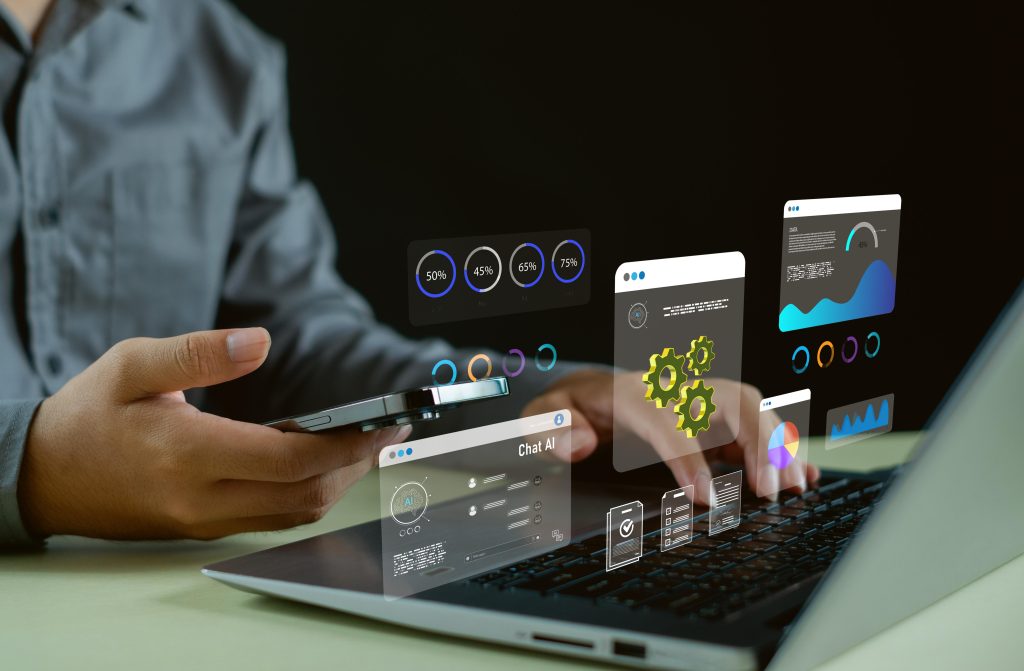
The growth of remote work has accelerated demand for intelligent computing devices.
Remote professionals now require laptops capable of handling:
- AI-assisted meetings,
- multitasking,
- cloud collaboration,
- creative production,
- and advanced communication workflows simultaneously.
AI-native laptops are quickly becoming central to:
- hybrid workplaces,
- creator economies,
- online businesses,
- and global remote teams.
Asynchronous work models also benefit from AI-powered summarization, transcription, and automated workflow management.
The New AI Laptop Categories Emerging in 2026
The laptop market is fragmenting into specialized AI-focused categories.
Creator AI Laptops
Optimized for:
- video editing,
- generative design,
- rendering,
- and media production.
Popular examples include:
- Apple MacBook Pro M5
- ASUS ProArt AI StudioBook
Enterprise AI Laptops
Designed for:
- productivity,
- security,
- and enterprise AI integration.
Examples include:
- Lenovo ThinkPad X1 Carbon AI
- HP EliteBook Ultra AI PC
Ultraportable AI Devices
Focused on:
- mobility,
- battery efficiency,
- and lightweight AI productivity.
Examples include:
- Dell XPS 13 AI Edition
- Microsoft Surface Laptop AI
AI Operating Systems Are Changing User Experience
Operating systems themselves are evolving into AI-driven environments.
Modern systems increasingly include:
- AI search,
- predictive assistance,
- contextual recommendations,
- automated organization,
- and conversational interfaces.
Platforms like:
are aggressively integrating AI into core user experiences.
The future interface may rely less on traditional apps and more on intelligent assistants capable of executing complex multi-step tasks conversationally.
Challenges Facing AI Laptops
Despite the excitement, AI laptops still face important challenges.
Cost Barriers
AI-enhanced devices remain relatively expensive.
High-performance NPUs, advanced memory systems, and AI acceleration hardware increase production costs.
Software Optimization
Not all applications are fully optimized for local AI acceleration yet.
Developers are still adapting software ecosystems for hybrid AI computing.
Energy & Thermal Management
AI workloads can be resource-intensive.
Manufacturers continue working to balance:
- power efficiency,
- cooling systems,
- and sustained AI performance.
Privacy & Regulation
As AI capabilities expand, governments and organizations are increasingly discussing:
- AI governance,
- data regulation,
- and responsible AI standards.
The future AI laptop market will likely face growing regulatory oversight.
Who Should Upgrade to an AI Laptop in 2026?
For many professionals, upgrading is quickly becoming more than a luxury.
AI-native devices provide significant advantages for:
- content creators,
- video editors,
- developers,
- remote workers,
- digital entrepreneurs,
- researchers,
- and business professionals.
You should seriously consider upgrading if your workflow involves:
- AI-assisted productivity,
- multitasking,
- media production,
- automation,
- large-scale research,
- or advanced collaboration systems.
Older devices may struggle to support the next generation of AI-powered software ecosystems efficiently.
The Long-Term Future of AI Computing
The AI laptop is only the beginning.
Future computing trends may include:
- fully personalized AI operating systems,
- context-aware assistants,
- augmented reality integration,
- intelligent workflow prediction,
- and collaborative AI co-workers.
The distinction between software and assistant will continue fading.
Instead of manually operating machines, users will increasingly collaborate with intelligent systems capable of understanding goals, context, and intent.
This represents one of the most important technological transitions in modern computing history.
Final Thoughts
The AI laptop revolution is fundamentally redefining personal computing.
In 2026, laptops are no longer passive productivity tools. They are becoming intelligent digital companions capable of assisting, optimizing, automating, and enhancing nearly every aspect of modern work.
The rise of local AI processing, dedicated NPUs, intelligent operating systems, and privacy-focused computing is creating a new generation of devices built specifically for the AI era.
For professionals operating in the modern digital economy, upgrading to AI-native hardware is increasingly becoming a strategic investment rather than an optional upgrade.
The future of computing belongs to devices that are:
- intelligent,
- adaptive,
- secure,
- efficient,
- and deeply integrated into human workflows.
As we move deeper into the AI-driven decade, one thing is becoming increasingly clear:
The laptop of the future is not just smart.
It understands how you work.
Related Resources
- Intel AI PC Platform
- AMD Ryzen AI Technology
- Qualcomm AI Computing
- Microsoft AI PC Vision
- Apple Mac & AI Features